



Gamers push back against Sony’s reported digital-only future
Summary
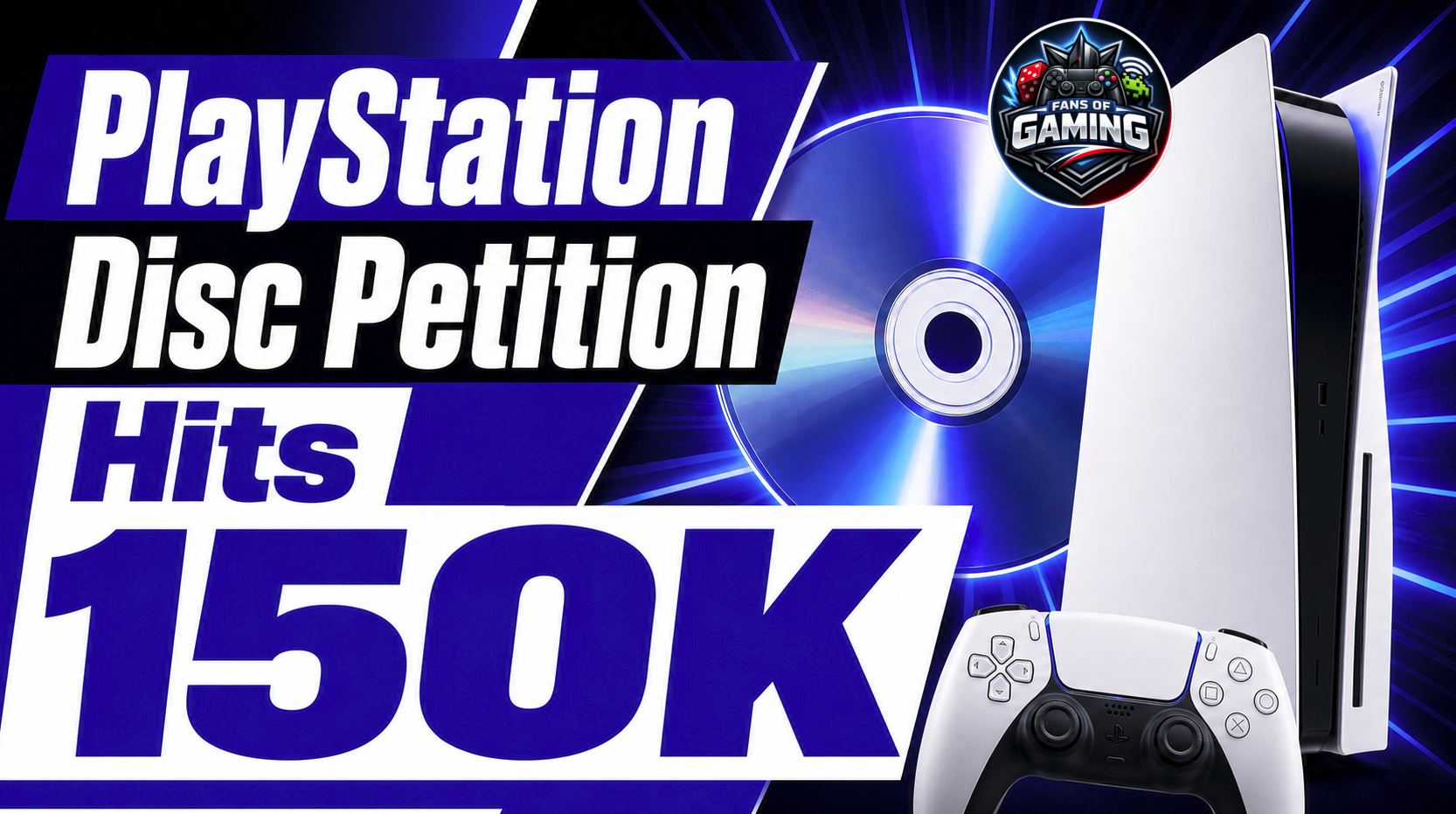
– A petition against Sony’s reported plan to stop printing physical PlayStation discs has reached 150,000 signatures
– Critics argue that removing discs would limit ownership, used game sales, lending, and consumer choice
– Digital Foundry’s John Linneman warned that digital purchases on closed platforms can feel closer to rentals than ownership
A growing petition is putting pressure on Sony over its reported plan to move away from physical PlayStation discs.
The Change.org petition, titled “Don’t Kill the Disc,” has now reached 150,000 signatures. It was launched after Sony reportedly announced plans to stop printing physical discs starting in January 2028.
Jade Pearce, the CEO of an independent Canadian games retailer, started the petition. The message behind it is simple: players are not rejecting digital games; they do not want digital to become the only option.
Critics argue that removing physical discs would hurt used game sales, game lending, collecting, and access for players with slow or limited internet connections. It would also lock more purchases into a single digital storefront.
Digital Foundry viewers have also pushed back, with more than 65,000 people voting against the move in a YouTube poll.
Digital Foundry’s John Linneman spoke strongly against the shift. He warned that digital ownership on closed platforms can become closer to a rental model, since access to purchased content can change at the platform holder’s discretion.
That concern has grown following past examples of digital storefront closures and the removal of digital movie purchases. For players who value long-term access, physical media remains an important safeguard.
Sony’s reported move may still make business sense from a platform perspective. Digital games cannot be resold or loaned, and they keep players inside Sony’s marketplace.
Still, the backlash shows that many PlayStation fans are not ready to give up discs. For them, the issue is not nostalgia. It is ownership, access, and the ability to choose how they buy and keep their games.