


Early audience reactions sharply contrast with critical praise
Summary
– Dead City season 3 holds a 100% critics score but only a 48% audience score on Rotten Tomatoes
– Critics reviewed more of the season while viewers have seen only the first two episodes
– An upcoming alternate-reality episode has been praised as one of the franchise’s most ambitious ideas
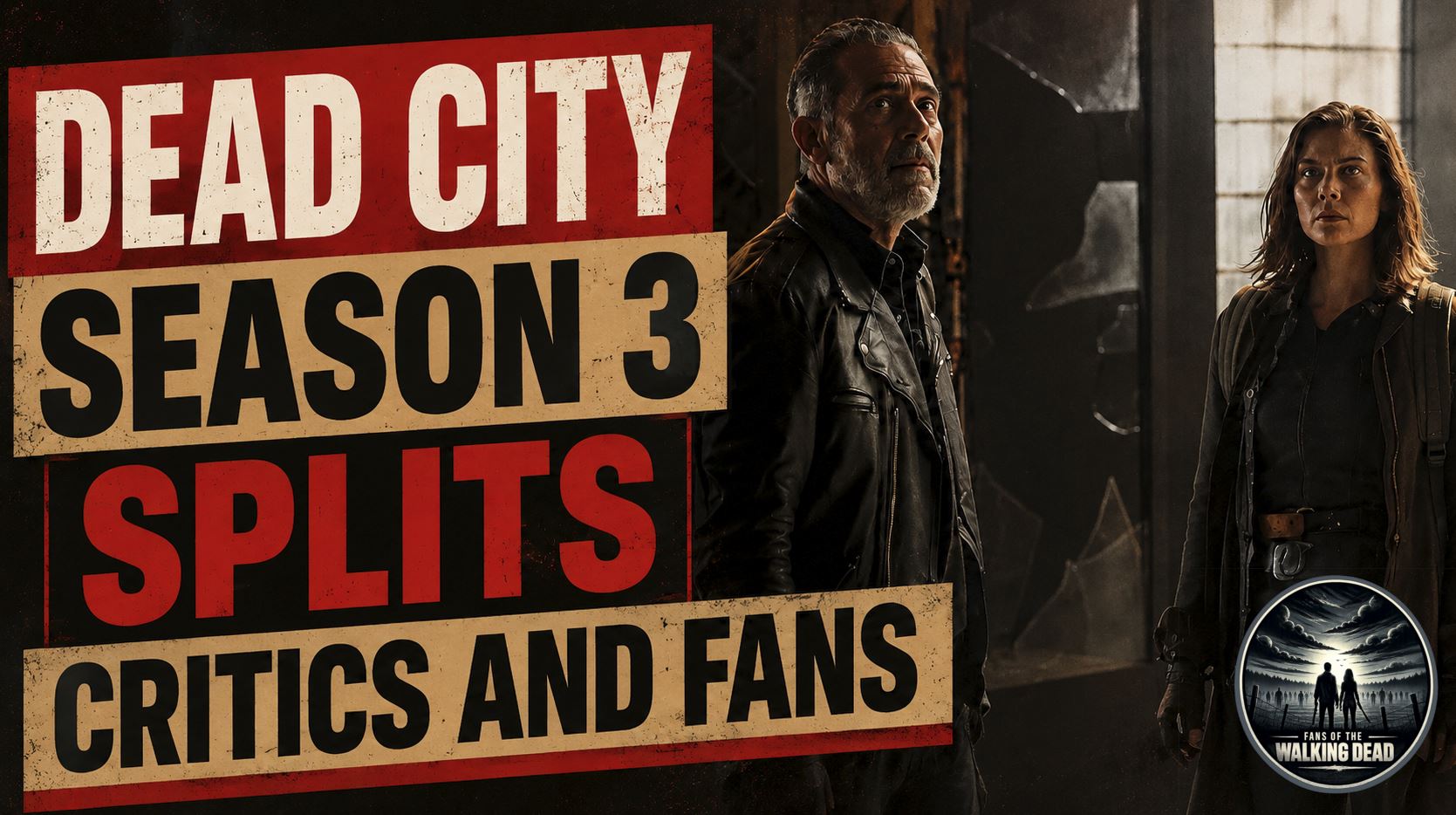
The Walking Dead: Dead City season 3 has created a significant divide between critics and viewers. While professional reviews have been overwhelmingly positive, early audience reactions suggest that the opening episodes have left many fans disappointed.
Season 3 currently holds a 100% Tomatometer score from six critic reviews on Rotten Tomatoes. Its audience score stands at 48% based on fewer than 50 ratings, creating one of the widest critical-viewer gaps in the show’s history.
The limited number of reviews and ratings means both scores could change as the season continues. The 100% critics’ score also does not indicate a perfect rating. It means that all six reviews counted by Rotten Tomatoes were classified as positive.
One likely explanation for the divide is that critics received access to more of the season before publishing their reviews. Viewers, meanwhile, have only seen the first two episodes and are judging the new direction without knowing where its storylines ultimately lead.
Season 3 introduces a major shift in Maggie and Negan’s relationship. After years of hostility linked to Glenn’s death, the former enemies are beginning to operate as genuine partners instead of repeatedly returning to the same conflict.
That change has not immediately connected with every viewer. Some audience reviews have criticized the way the season diverges from previous storylines and resets parts of the series following the events of season 2.
Critics have responded more positively to the new direction. Reviews describe the season as a soft reset that allows Dead City to explore different characters, conflicts, and themes while giving Maggie and Negan’s relationship room to evolve.
Several critics have also noted that the season grows stronger as its separate storylines begin to connect. That suggests the opening episodes serve primarily as groundwork for developments and payoffs that arrive later in the eight-episode season.
One of the most anticipated installments will explore an alternate reality in which the zombie apocalypse never happened. The unusual premise will present familiar characters in a world untouched by the outbreak, allowing the franchise to examine how differently their lives might have unfolded.
Critics who watched the episode have identified it as a major highlight. IGN described the installment as a high point for the wider Walking Dead franchise, while other reviews praised season 3 for taking creative risks that previous spinoffs largely avoided.
The alternate-reality concept represents a significant departure for The Walking Dead. Previous series have expanded the established timeline, introduced new communities, or revisited missing periods, but they have rarely explored an entirely different version of the franchise’s world.
Whether that experiment changes the wider audience’s opinion remains uncertain. Two episodes provide only a limited picture of the full season, but viewers are not obligated to overlook an unsatisfying beginning simply because later episodes may improve.
For now, Dead City season 3 remains sharply divided between critics who have seen where the story is heading and viewers reacting to what has aired. As the remaining episodes arrive, its audience score will reveal whether the season’s later risks and payoffs can overcome the disappointment surrounding its opening chapters.