



The language surfaced as PlayStation protests continue
Summary
– Sony is facing criticism over language stating PlayStation games are licensed, not sold
– Similar wording is also used by Steam, Xbox, and Nintendo
– The controversy comes as some PS5 owners participate in a broader Sony blackout protest
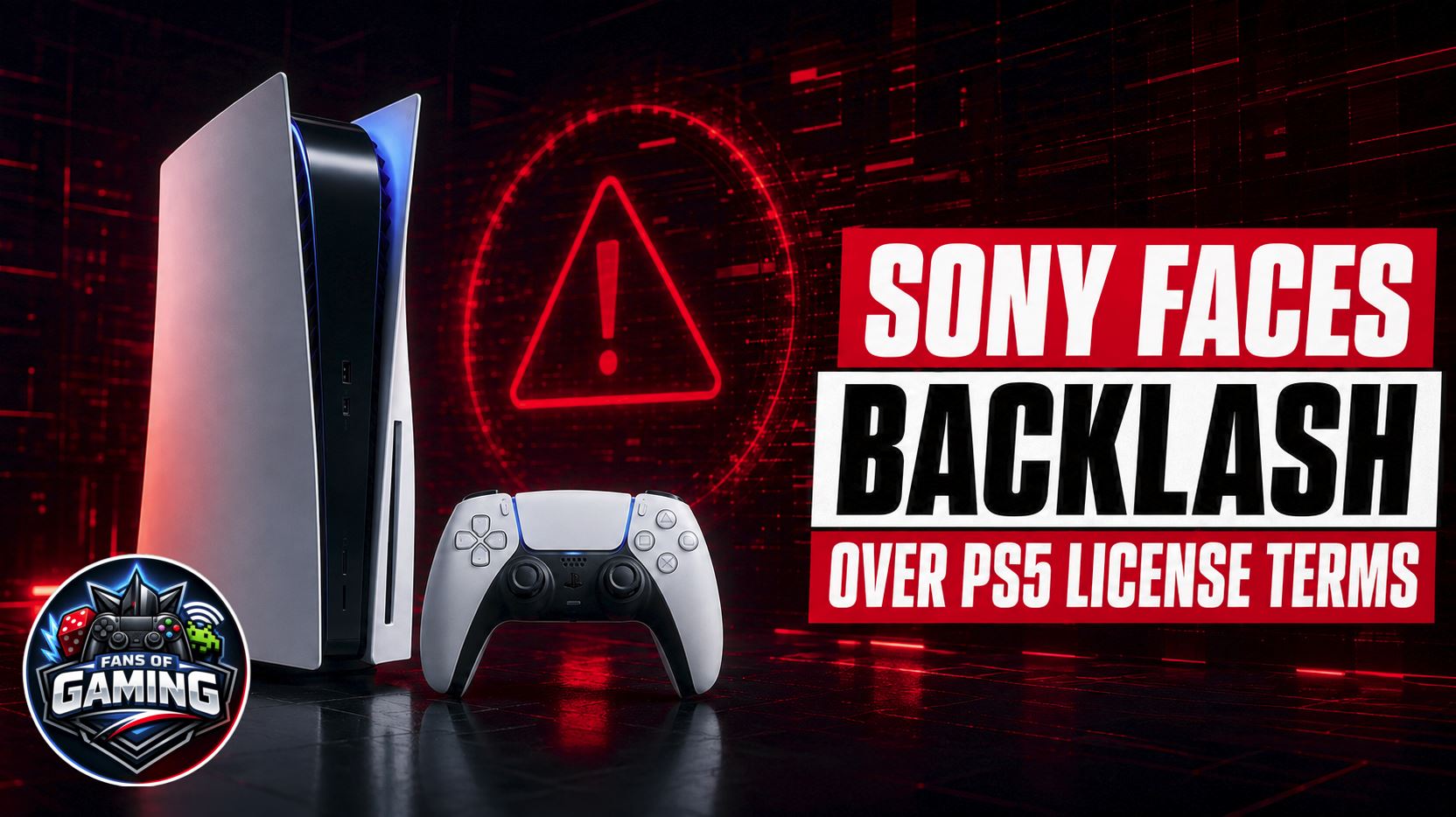
Sony is facing another wave of criticism from PlayStation players after sending updated terms and conditions reminding users that their software is licensed rather than sold.
The language states that players receive a limited, personal, and non-transferable license to use software for private, non-commercial purposes. Sony’s terms also warn that violating restrictions involving actions such as copying, hacking, or sublicensing software can result in the license being revoked.
The timing has drawn additional attention because some PS5 owners are currently participating in an organized blackout protest against Sony. Participants have been encouraged to avoid using their consoles, logging in to PlayStation services, or spending money on the PlayStation Store until at least August 30.
Criticism has also been fueled by Sony’s announced plans to stop manufacturing physical game discs beginning in January 2028. That decision has already raised concerns among players who prefer physical ownership, resale, and preservation options.
However, the licensing language itself is not unique to PlayStation. Steam, Xbox, and Nintendo use similar terms explaining that digital software is licensed to customers rather than sold as traditional property.
Valve’s Steam terms state that content and services are licensed rather than sold, while Microsoft’s rules use comparable wording for digital goods. Nintendo also describes its software as licensed and grants users a revocable right to use it under specified conditions.
Physical games can carry similar licensing restrictions that cover the software itself, but physical copies offer practical differences because discs can generally be traded, resold, or transferred between owners.
Sony’s wording, therefore, does not represent a new approach to digital game licensing, but it has come at a time of heightened frustration surrounding PlayStation. The larger debate now extends beyond Sony to questions about what consumers truly own when purchasing digital games and how those rights should be protected in the future.